Analysis from an Application Environment Perspective
A CPO’s operational strategy is highly dependent on the physical environment. Different scenarios dictate the equipment selection, pricing models, and maintenance standards a CPO must adopt.
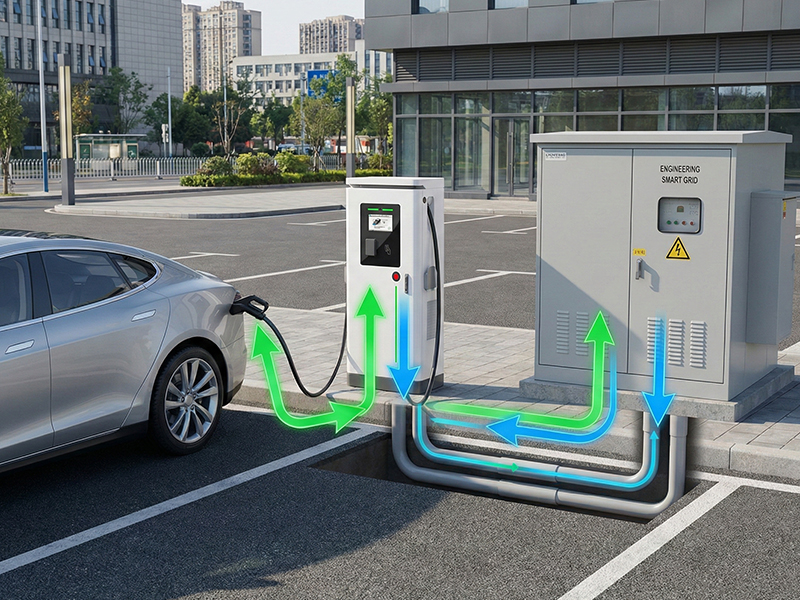
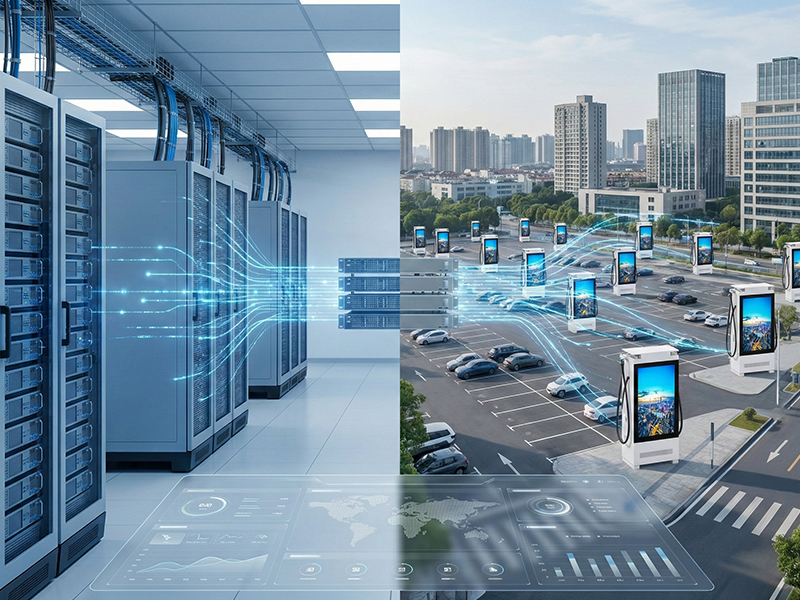
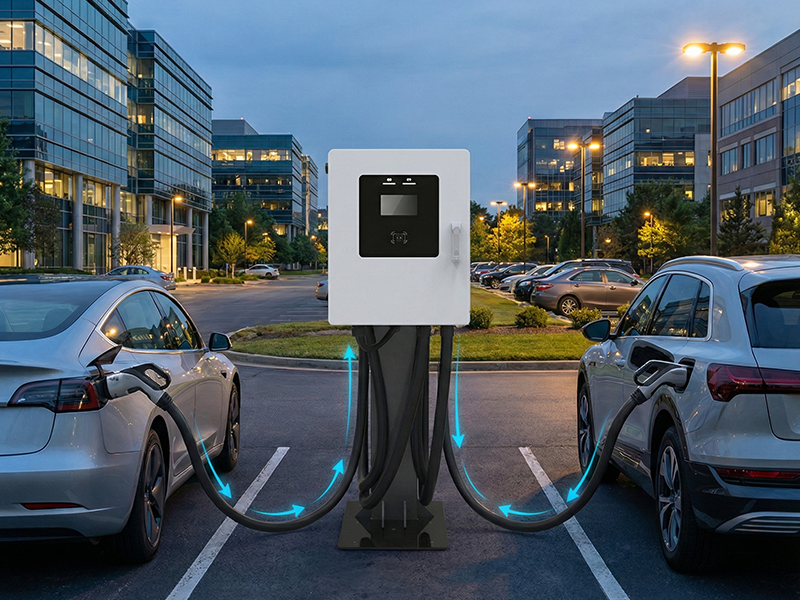
Public Fast-Charging Networks (Highways & Urban Arteries): In this environment, the CPO’s core challenges are “turnover rate” and “uptime.” Drivers need to charge quickly and leave, requiring the deployment of high-power DC fast chargers and the maintenance of exceptional reliability. The business model mirrors gas stations, relying on high-frequency service fees while managing complex high-voltage grid connections.
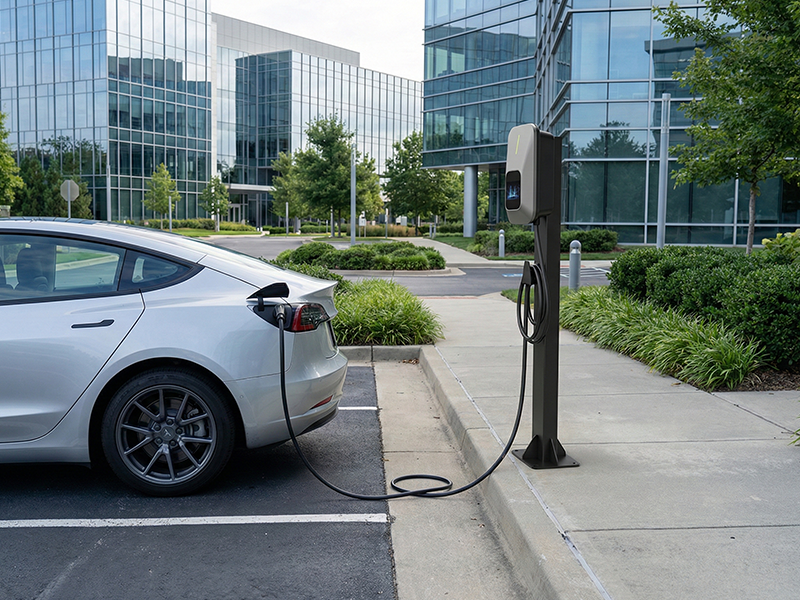
Commercial Real Estate & Retail Partnerships (Malls & Office Towers): Here, the CPO plays a “B2B2C” service role. Property owners provide the space, while the CPO handles installation and operations. The environment demands aesthetically pleasing, compact equipment, and software integration with the mall’s loyalty programs. CPOs use data analytics to help property owners drive foot traffic through charging services, often operating under a revenue-sharing model.
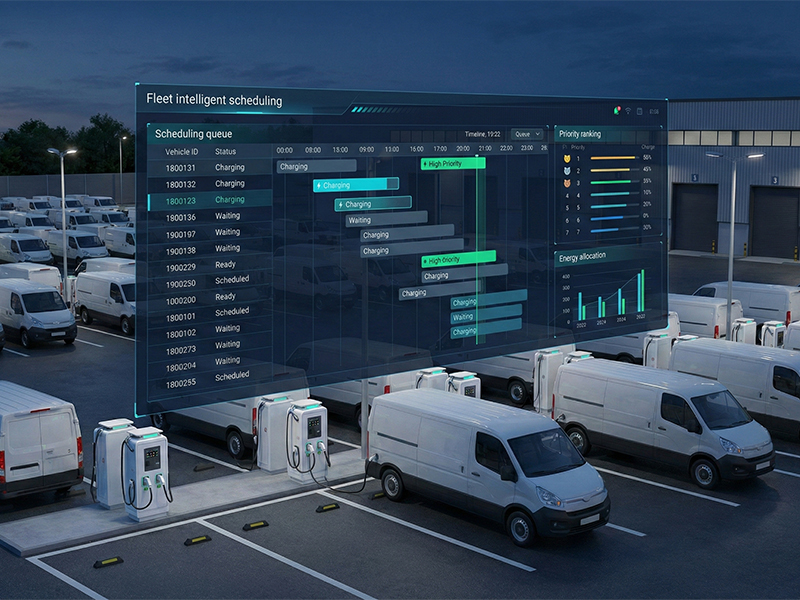
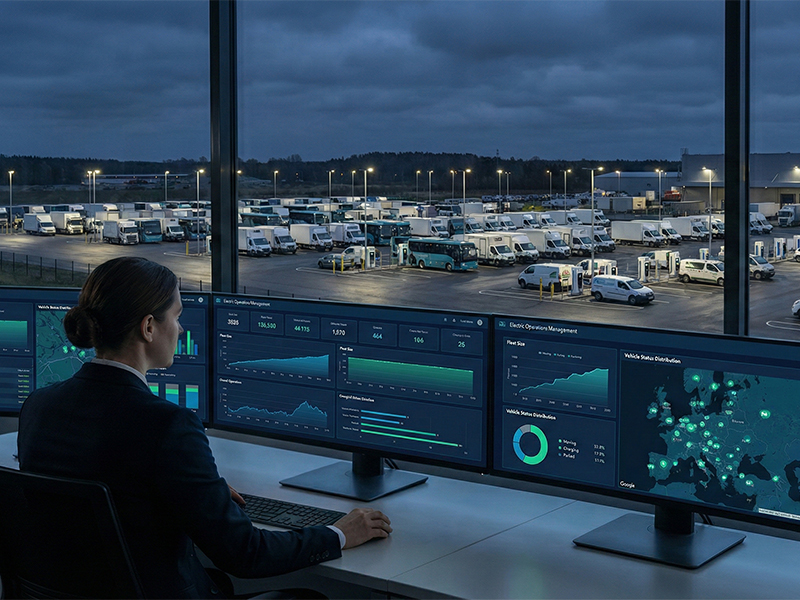
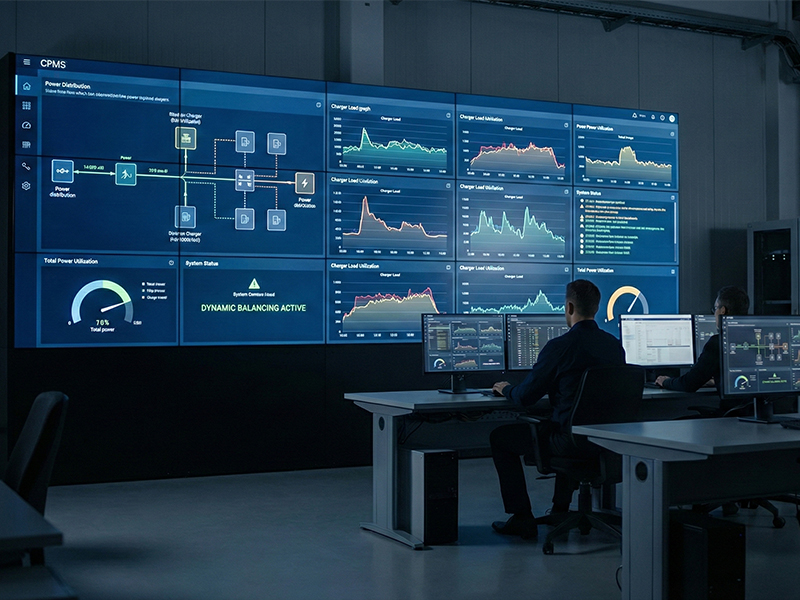
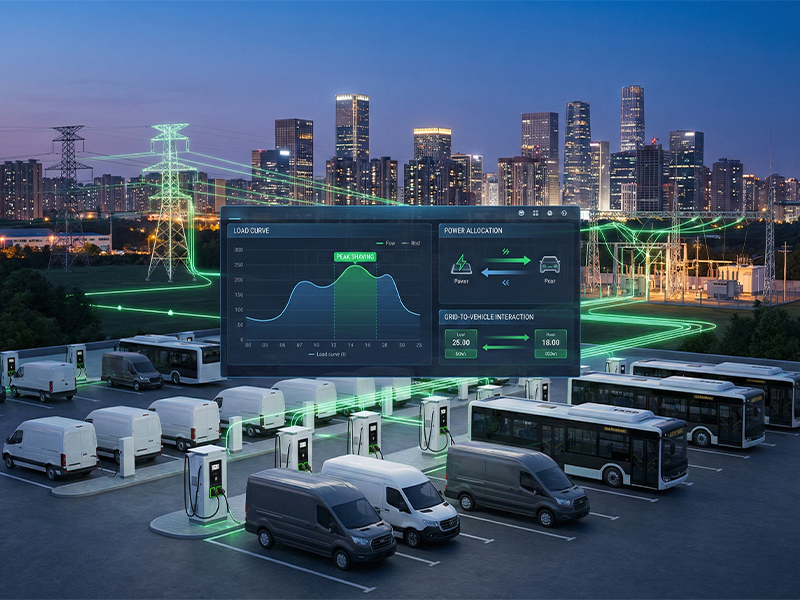
Dedicated Fleet Operations (Logistics Depots & Bus Terminals): At logistics hubs or bus terminals, CPOs provide more than just chargers; they deliver a complete “Energy Management Solution.” The environment requires concentrated overnight charging or high-frequency top-ups during the day. CPOs must use smart algorithms to balance the charging power of each vehicle, preventing transformer overloads while ensuring the fleet is fully charged and ready by departure time.
V2G
EV Smart Charging
EV Roaming
Electric Vehicle Fleet Operator
Dynamic Load Balancing
Demand Side Response
CPO
AC Charging
V2V
V2L
V2H
Scroll to Top
Schedule Appointment
Fill out the form below, and we will be in touch shortly.